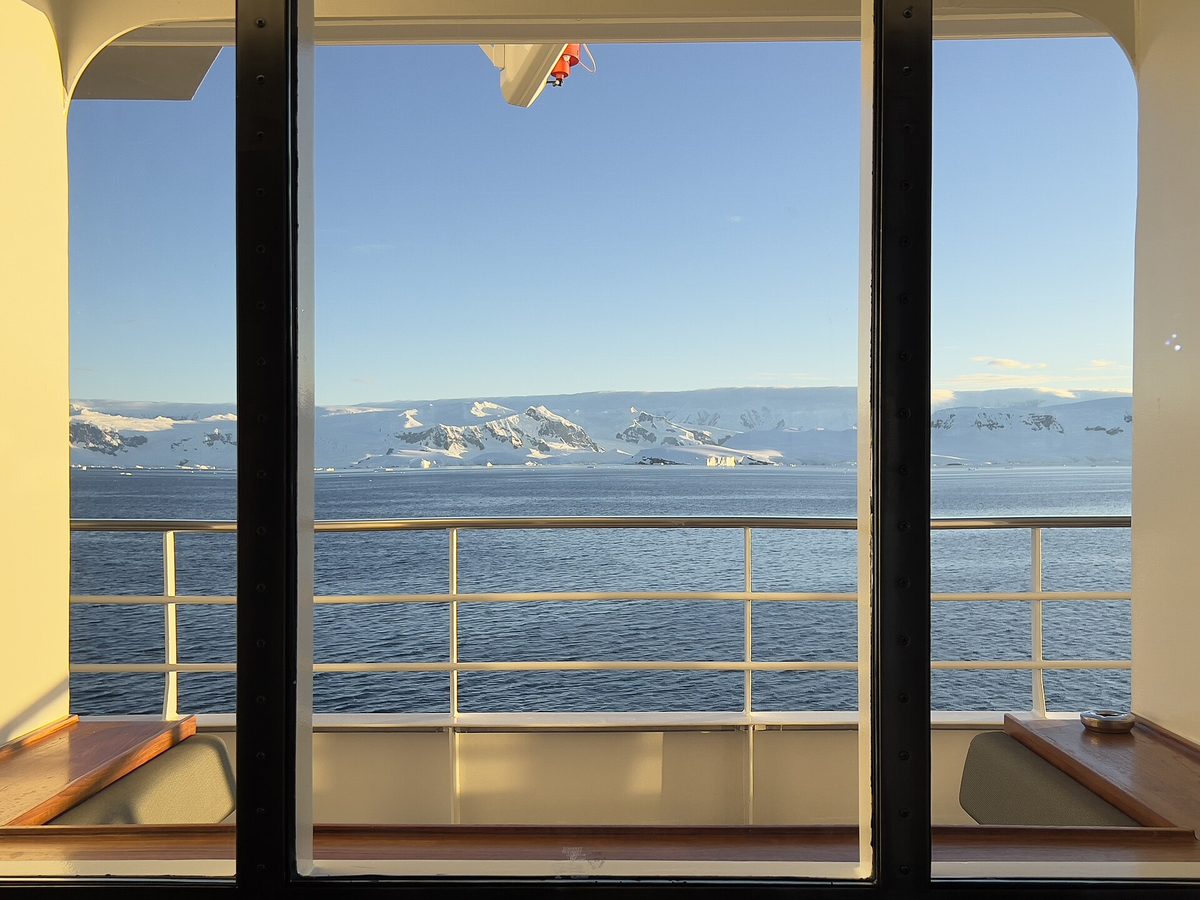
When you see an Antarctica cruise fare — whether it’s $8,000 or $40,000 — the natural question is: what does that actually buy me? Knowing exactly what is included on an Antarctica cruise, and what quietly isn’t, is the difference between a budget you can trust and a nasty surprise at disembarkation when the onboard account lands. Expedition fares are more inclusive than mainstream cruises in some ways and less in others, and the inclusions vary enormously between budget and luxury operators.
This guide breaks it all down: the things almost every fare covers, the costs that are usually extra, how inclusions shift as you move up the price tiers, and how to read an operator’s inclusions list so nothing catches you out. Get this right and you’ll compare cruises accurately and budget the true total cost. For the bigger financial picture, pair this with our Antarctica trip cost guide; here we focus purely on what’s in the fare.
What is included on an Antarctica cruise: the essentials
Let’s start with the good news, because expedition cruises bundle in more of the core experience than first-time bookers expect. On essentially every reputable voyage, your fare covers your cabin accommodation for the duration, all meals on board (typically including morning and afternoon tea, plus water, juice, tea, and coffee), and — crucially — the entire expedition program. That program is the heart of the trip: the daily Zodiac cruises, the shore landings, and the team of expert naturalists, scientists, and guides who lead them and deliver the onboard lecture series.
In other words, the thing you actually came to Antarctica for — getting off the ship and into the wilderness, guided by experts — is included on every voyage. This is a key distinction from a mainstream cruise, where shore excursions are pricey add-ons. On an expedition cruise, the excursions are the cruise, and they’re in the fare. What varies between operators is everything around that core, which is where you need to read carefully. Our guide to expedition cruises explained covers how this all works day to day.
Accommodation and meals
Your cabin and all your food are covered, but the standard varies by ship and fare. Budget and mid-range ships include hearty buffet and served meals in a main dining room; luxury ships include multiple specialty restaurants with refined, sometimes Michelin-level cuisine. Non-alcoholic drinks with meals — water, soft drinks, tea, coffee, juice — are almost always included across the board. Cabins range from compact shared triples with portholes on budget ships to butler-serviced suites with private verandas at the luxury end, but in every case the accommodation itself is part of the fare you’ve paid.
One nuance for solo travelers: while your cabin is included, occupying a double cabin alone usually triggers a single supplement of 50–100% unless you use a cabin-share program. Factor that in when comparing fares. Our guide for every traveler covers the solo-traveler angle.
The expedition program: landings, Zodiacs, and lectures
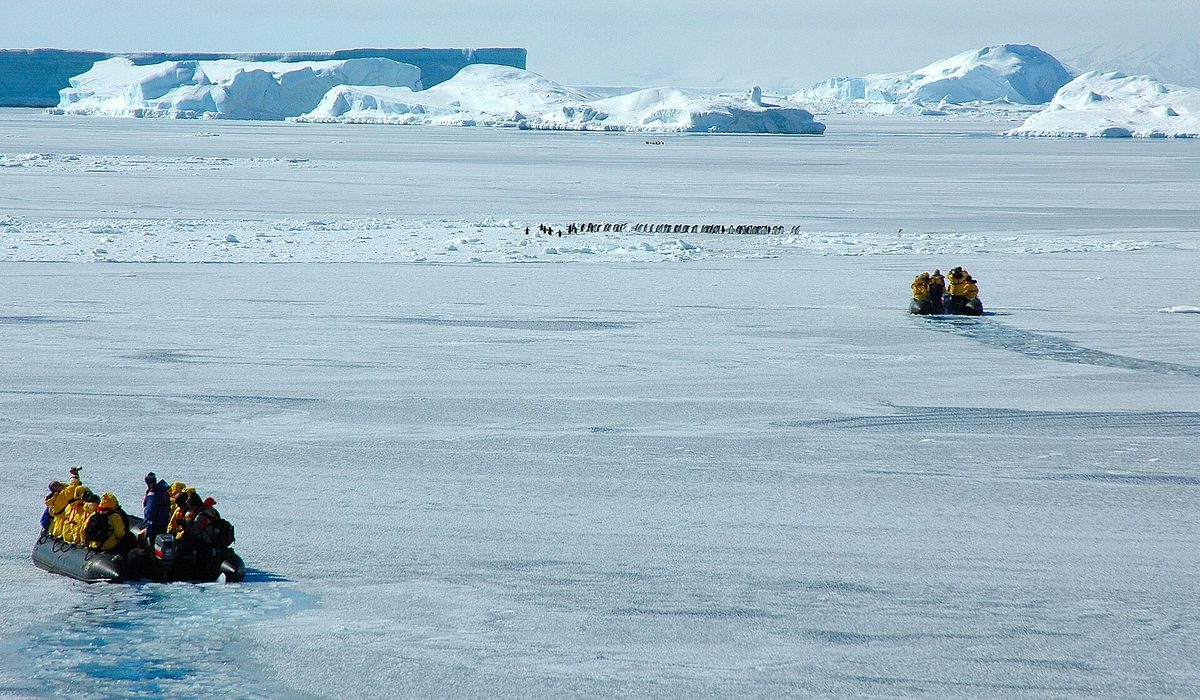
This is the inclusion that matters most, and it’s universal: every reputable expedition fare includes the full program of off-ship activities. That means the Zodiac cruises among the ice, the shore landings to walk among penguins and visit historic sites, and the expert-led lecture program that teaches you to understand what you’re seeing. You don’t pay per landing or per Zodiac outing — they’re all in. The expedition team’s expertise, the safety briefings, the biosecurity procedures, and the daily recaps are likewise included.
This is genuinely excellent value when you consider that these guided excursions, led by working scientists and naturalists, are the entire point of the trip. It’s why even a budget Antarctic cruise delivers the same core experience as a luxury one — the landings are included and governed by the same rules on every ship. The things to do in Antarctica guide details everything the included program covers.
The parka and boots
A pleasant and valuable inclusion on most expedition cruises is polar gear. Nearly every operator provides the essential waterproof outer parka — sometimes on loan, sometimes yours to keep — and lends you the waterproof rubber muck boots required for wet landings. These are the two priciest and bulkiest items of Antarctic kit, so having them provided saves you both money and packing space.
What’s generally not provided is the rest of your layering system: thermal base layers, mid-layers, waterproof trousers, gloves, hats, and so on. You’ll need to bring (or rent) those yourself. Always check whether the parka is a loan or a keeper, as it varies. Our packing guide spells out exactly what’s typically lent versus what you must supply.
Included vs not included: the quick reference
| Usually included | Usually extra |
|---|---|
| Cabin & all meals | International flights |
| Zodiac cruises & landings | Gateway hotels |
| Expedition team & lectures | Travel insurance |
| Non-alcoholic drinks | Gratuities (except luxury) |
| Parka loan & muck boots | Alcoholic & premium drinks |
| Port & landing fees (usually) | Kayaking, camping & add-ons |
Drinks: what’s covered and what’s extra
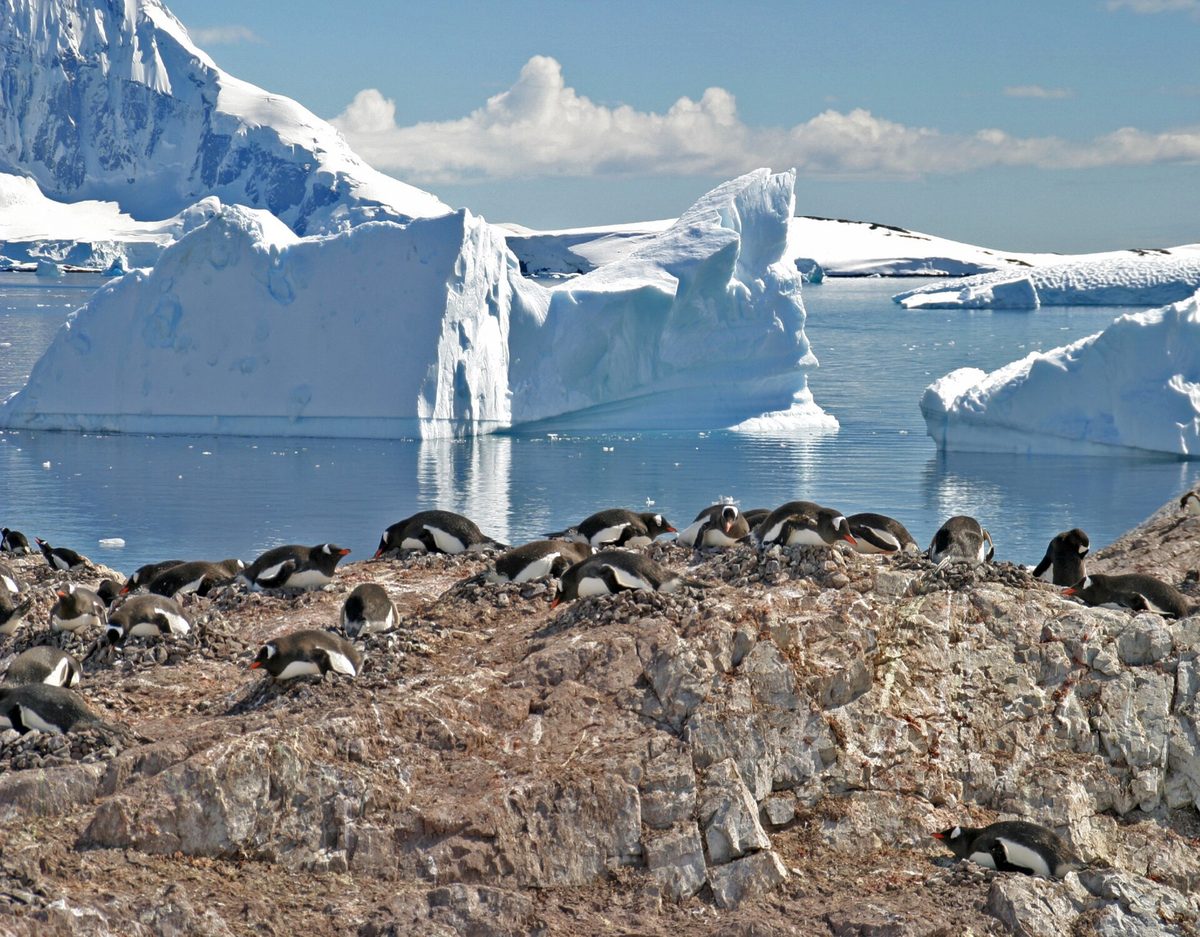
Drinks are one of the most variable inclusions. Non-alcoholic beverages — water, soft drinks, tea, coffee, and juice — are almost universally included. Alcohol is where it diverges sharply: budget and many mid-range ships charge for alcoholic drinks at the bar (commonly $8–$15 each), some mid-range ships include house beer and wine with dinner, and luxury all-inclusive ships fold in unlimited wine, beer, spirits, and even Champagne. Over a 10-day voyage, the difference between paying per drink and an open bar can add up to hundreds of dollars, so factor your drinking habits into the comparison. Our luxury cruises guide explains how the all-inclusive model works.
Gratuities
Tipping is a real cost that catches budget travelers out. Most expedition ships suggest crew gratuities of roughly $15–$25 per person per day, frequently added automatically to your onboard account — that’s a few hundred dollars per person over a typical voyage. Budget and mid-range lines almost always treat gratuities as extra; luxury all-inclusive lines usually fold them into the fare. Always check, and budget for tips unless you’ve confirmed they’re included.
Optional activities: the paid add-ons
The adventurous extras — sea kayaking, camping on the ice, snowshoeing, stand-up paddleboarding, ski-mountaineering, and polar diving — are almost always paid add-ons on top of the fare, typically running $200–$900 each depending on the activity. They have limited spots and sell out, so they’re booked (and paid for) in advance. The one near-universal freebie is the polar plunge, which most ships include for the brave. If a specific activity is central to your dream trip, budget for it separately and book early. The things to do guide lists each activity and its rough cost.
Flights, transfers, and hotels
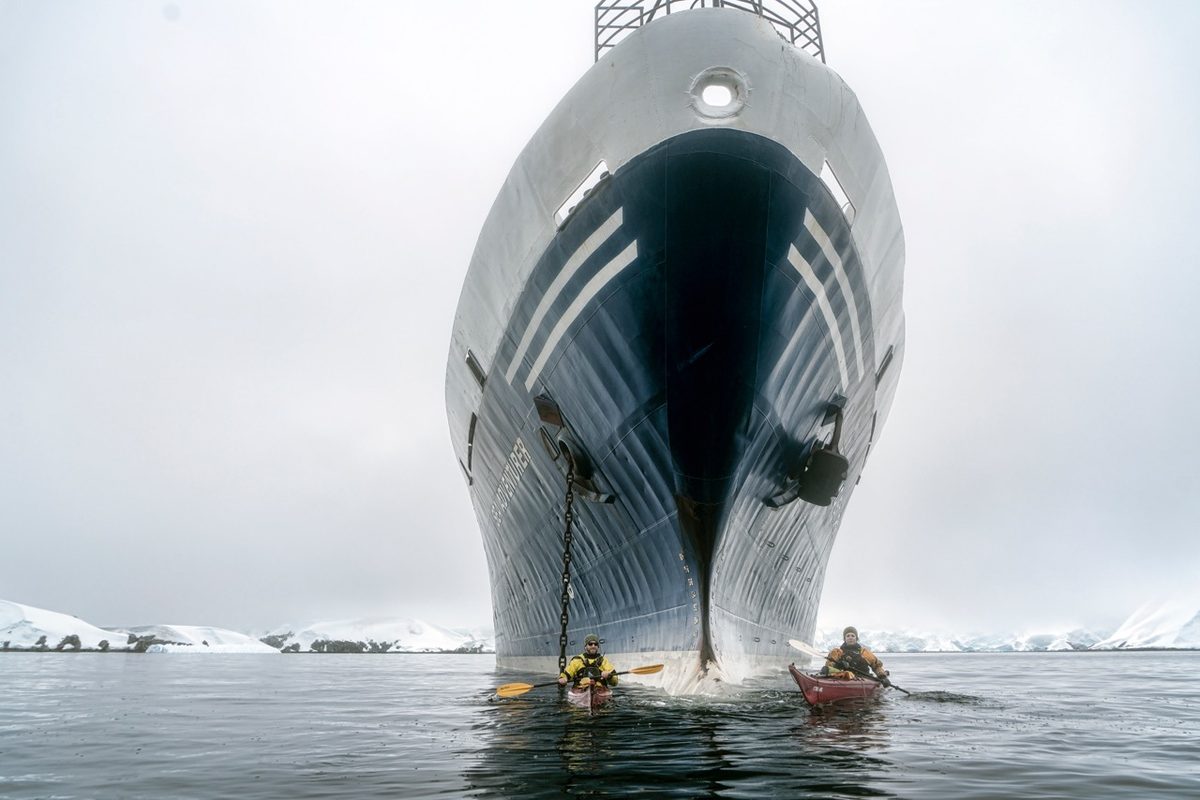
Here’s the biggest exclusion to plan for: your international flights to the gateway city (Ushuaia or Punta Arenas) are almost never included in a standard cruise fare, and they typically run $850–$1,500 from the US. Some fly-cruise packages include the charter flight between South America and Antarctica, but rarely your flights from home. Pre- and post-cruise hotel nights in the gateway are usually extra too, though some packages bundle a night or two. Always confirm exactly which flights and transfers are covered, as this single category can swing your total cost by thousands. Our how to get to Antarctica guide covers the flight and transfer logistics.
Travel insurance
Comprehensive travel insurance with emergency medical evacuation cover is never included in your fare, and it’s mandatory with reputable operators — non-negotiable given Antarctica’s isolation. Budget $300–$800 for a policy that genuinely covers polar evacuation and trip cancellation. Don’t treat this as optional or skimp on it; it’s the one extra cost that protects everything else. Our travel tips guide explains what the policy must include.
How inclusions differ by price tier
The single best way to understand inclusions is to see how they shift as you move up the tiers. On a budget cruise, expect the essentials (cabin, meals, expedition program, parka loan) included but most extras — drinks, gratuities, gear, flights, hotels — charged separately, so the headline fare is well below your total cost. On a mid-range cruise, you’ll often find some drinks and perhaps gratuities included, narrowing the gap. On a luxury all-inclusive cruise, the fare may cover almost everything: all drinks including alcohol, gratuities, Wi-Fi, the parka to keep, charter flights, gateway hotels, and sometimes even submarine and helicopter excursions.
This is why comparing headline fares across tiers is misleading. A luxury fare that looks far higher may include thousands of dollars of extras that you’d pay separately on a budget cruise, narrowing the real difference in total cost. Always compare like with like by adding the excluded costs to the cheaper fare. Our trip cost guide and budget cruises guide help you do exactly that.
The all-inclusive luxury model
At the top end, “all-inclusive” genuinely means it. Lines like Silversea, Seabourn, and Scenic build fares that fold in premium drinks, gratuities, Wi-Fi, gear, often your charter flights and gateway hotel, and sometimes the high-tech excursions (submarines, helicopters) that other ships charge thousands for. The appeal isn’t just luxury — it’s predictability. The headline price is close to your final price, with no onboard account creeping up day by day. For travelers who hate surprises, that certainty is part of what they’re paying for. Just read the fine print, because even “all-inclusive” has occasional exceptions.
How to read an inclusions list
When comparing cruises, treat the inclusions list as carefully as the price. Look specifically for: whether international flights and the charter flight are included; whether gratuities are added or covered; what drinks are free versus charged; whether the parka is a loan or a keeper; whether gateway hotels are bundled; and which activities cost extra. Two cruises with similar headline fares can differ by thousands once you tally these. A reputable operator publishes a clear inclusions list; if it’s vague, ask directly before booking. Our how to choose guide turns this into a booking checklist.
The hidden costs checklist
Whatever your fare, budget for these commonly-excluded items so your total is realistic:
- International flights to Ushuaia or Punta Arenas ($850–$1,500)
- Gateway hotels for the buffer nights you should always build in
- Travel insurance with medical evacuation ($300–$800, mandatory)
- Gratuities of roughly $15–$25 per person per day
- Alcoholic and premium drinks unless all-inclusive
- Optional activities like kayaking or camping ($200–$900 each)
- Gear you buy or rent beyond the lent parka and boots
Add these to any “from” fare and you’ll have a number you can actually trust. Our trip cost guide works through full sample budgets.
What’s included on a fly-cruise
Fly-cruises add a wrinkle worth understanding. The defining inclusion is the charter flight between a South American gateway (usually Punta Arenas) and King George Island, which replaces the Drake crossing — that flight is bundled into the fly-cruise fare. What’s typically still excluded is your international flight from home to the gateway, plus the usual extras. Because fly-cruises run roughly 20% more than equivalent sailings, read carefully to see exactly what the premium covers; some packages also include a gateway hotel night around the flight, since departures are weather-dependent. Our flights to Antarctica guide explains the fly-cruise model and what its fares include.
Port, landing, and government fees
A small but real category is the various fees levied on Antarctic travel — port charges at the gateway, landing permits, and Antarctic Treaty-related administrative costs. On most reputable operators these are folded into your fare, which is one reason expedition cruises seem expensive up front. Occasionally an operator lists them separately, so check. The good news is that, unlike many destinations, you won’t be hit with a stream of surprise local fees once you’re sailing; the IAATO framework and the operators handle the permits as part of the package.
How two real fares can compare
To see why inclusions matter so much, imagine two 11-day Peninsula cruises. Cruise A is a budget sailing at $8,000, but excludes drinks, gratuities, gear beyond the parka, flights, and hotels — add those and the real total might reach $12,000. Cruise B is a luxury all-inclusive at $16,000 that folds in alcohol, gratuities, Wi-Fi, the charter flight, and a gateway hotel — so the real total is closer to $17,000. The headline gap of $8,000 shrinks to $5,000 once you compare true totals, and Cruise B carries no surprise onboard account. Neither is “better”; the point is that only a true-total comparison is honest, as our trip cost guide stresses.
Questions to ask about inclusions before booking
Before you pay a deposit, get clear answers to a short list of inclusion questions: Are international flights included, and is the charter flight (on a fly-cruise) included? Are gratuities added or covered? Which drinks are free and which are charged? Is the parka mine to keep or a loan? Are any gateway hotel nights included? Which activities cost extra, and how much? Are port and landing fees in the fare? A reputable operator answers each precisely; vagueness is itself a useful signal. This checklist slots directly into the broader booking questions in our how to choose guide.
Are the inclusions worth the fare?
Step back and the value becomes clear: what every fare includes — the cabin, the meals, and above all the expert-guided expedition program of landings and Zodiac cruises — is the substance of the trip, and it’s genuinely excellent value given the logistics of operating in Antarctica. The variable extras are largely about comfort and convenience rather than the core experience. So whether you choose a bare-bones fare and pay for extras as you go, or an all-inclusive one for predictability, you’re getting the same extraordinary continent. Decide which model suits your budgeting style, then book with eyes open. Our is it worth it? guide tackles the overall value.
Frequently asked questions
What is included on an Antarctica cruise?
Almost every fare includes your cabin, all meals, non-alcoholic drinks, the full expedition program (Zodiac cruises, landings, and expert lectures), and usually a loan parka and muck boots. The expert-guided excursions — the heart of the trip — are included on every reputable voyage.
What’s not included in an Antarctica cruise fare?
Typically: international flights, gateway hotels, mandatory travel insurance, gratuities (except on luxury all-inclusive lines), alcoholic and premium drinks, and optional activities like kayaking and camping. Budget for an extra $3,000–$6,000 beyond the cruise fare.
Is the parka included on an Antarctica cruise?
Usually yes — most operators provide the essential waterproof outer parka (on loan or to keep) and lend muck boots, the two priciest gear items. You supply the rest of your layers. Always confirm whether the parka is yours to keep.
Are drinks included on an Antarctica cruise?
Non-alcoholic drinks almost always are. Alcohol varies: budget ships charge per drink ($8–$15), some mid-range ships include house wine and beer, and luxury all-inclusive ships include unlimited alcohol. Check before assuming.
Are gratuities included?
Usually not on budget and mid-range cruises, where tips of $15–$25 per person per day are added to your account. Luxury all-inclusive lines typically fold gratuities into the fare. Budget for tips unless you’ve confirmed they’re covered.
Do Antarctica cruises include flights?
Standard cruise fares rarely include international flights to the gateway. Some fly-cruise packages include the charter flight between South America and Antarctica, and luxury all-inclusive fares sometimes include flights from home — but always confirm. See our flights to Antarctica guide.
Why are luxury cruises more all-inclusive?
Luxury lines build comprehensive fares that fold in drinks, gratuities, gear, often flights and hotels, and sometimes submarine and helicopter excursions — offering predictability as well as indulgence. It narrows the real total-cost gap versus a budget cruise once you add the budget cruise’s many extras.
Are port fees and taxes included?
Usually yes — most reputable operators fold port charges, landing permits, and Antarctic Treaty administrative fees into the fare, so you won’t face a stream of surprise local fees while sailing. Occasionally they’re listed separately, so confirm with the operator.
Does a fly-cruise fare include flights from home?
Generally no — the fly-cruise fare includes the charter flight between the South American gateway and Antarctica, but not your international flights from home to the gateway. Always check, as packages vary. See our flights guide.
How do I compare two cruises with different inclusions?
Add the excluded costs — flights, hotels, insurance, gratuities, drinks, activities — to each fare to reach a true total, then compare those totals rather than the headline prices. A pricier all-inclusive fare can end up close to a cheaper bare-bones one once the extras are tallied.
Is travel insurance ever included in the fare?
Almost never — comprehensive travel insurance with medical evacuation is a separate, mandatory cost (roughly $300–$800) that you arrange yourself. A few packages bundle a basic policy, but always verify it includes high-limit polar evacuation. Never skip or skimp on this cover. See our travel tips guide.
Do all cruises include the same expedition activities?
The core program — Zodiac cruises, shore landings, and expert lectures — is included on every reputable expedition cruise. What differs is the optional paid add-ons (kayaking, camping, diving) and how many of them an operator offers. The included core is remarkably consistent across budget and luxury alike.
Final thoughts
Understanding what is included on an Antarctica cruise transforms you from a confused bargain-hunter into a confident buyer. The essentials — cabin, meals, and the all-important expedition program of landings and Zodiac cruises — are in nearly every fare, which is why even a budget voyage delivers the real Antarctica. The differences live in the extras: drinks, gratuities, gear, flights, hotels, insurance, and activities, all of which swing toward “included” as you climb the price tiers. Read every inclusions list closely, add the excluded costs before you compare, and you’ll know exactly what your fare buys — and budget the true total with no surprises. For the full cost picture, our trip cost guide takes it from here.