If you’ve started researching a trip south, you’ve hit the phrase everywhere: an Antarctica expedition cruise. It sounds rugged and a little intimidating, and newcomers often wonder how it differs from the floating-resort cruises they know from the Caribbean or the Mediterranean. The short answer is: almost entirely. An expedition cruise is a fundamentally different kind of travel — one built around getting you off the ship and into the wilderness, not keeping you entertained on board. Understanding that distinction is the key to understanding the whole Antarctic experience.
I want to demystify it completely in this guide: what an expedition cruise actually is, how it works day to day, why the ships are small, what those inflatable Zodiac boats are for, and who this style of travel suits. By the end you’ll know exactly what you’re signing up for — and probably why so many people call it the best trip of their lives. For the broader overview, our main Antarctica cruises guide sits above this one; here we go deep on the expedition style itself.
What is an Antarctica expedition cruise?
An Antarctica expedition cruise is a voyage on a small, ice-capable ship whose entire purpose is exploration rather than onboard entertainment. Instead of a fixed schedule of ports and shows, the days revolve around going ashore and out onto the water to encounter wildlife, ice, and landscape up close. The ship is essentially a comfortable, mobile base camp: it carries you across the Southern Ocean, repositions overnight while you sleep, and launches you each day into one of the most remote environments on the planet.
The word “expedition” is earned. There’s a genuine team of naturalists, scientists, and polar guides on board; the itinerary flexes daily around weather, ice, and wildlife rather than following a printed timetable; and the emphasis is overwhelmingly on what happens off the ship. You’re not a passenger being ferried between attractions — you’re a participant in a journey that adapts in real time. That responsiveness is the soul of expedition cruising, and it’s why no two voyages, even on the same ship along the same coast, are ever quite the same.
How an expedition cruise differs from a regular cruise
The contrast with a conventional cruise is stark, and it helps to see it laid out plainly. A mainstream cruise ship is, in effect, a floating city — thousands of passengers, multiple restaurants, pools, theatres, shops, casinos, and the onboard experience as the main event. An expedition ship inverts every one of those priorities.
| Feature | Regular cruise | Expedition cruise |
|---|---|---|
| Passengers | 2,000–6,000 | ~50–200 |
| Focus | Onboard amenities | Off-ship wilderness |
| Schedule | Fixed ports & times | Flexible, weather-led |
| Going ashore | Walk down a gangway to a town | Zodiac to a wild beach |
| Onboard staff | Entertainers | Naturalists & scientists |
| Amenities | Pools, casinos, shows | Lecture theatre, library, bar |
This is why a true Antarctic voyage is almost always an expedition cruise. Conventional large ships do sometimes sail down to cruise past the scenery, but under IAATO rules any vessel carrying more than 500 passengers cannot land guests in Antarctica at all — so you’d see the continent only from a distant deck. The expedition format exists precisely to get you onto the ice, which is the whole point of coming. Our guide to small ship vs large ship cruises explores that size threshold in detail.
The ships: small, sturdy, and purpose-built
Expedition ships are a breed apart. They’re small — typically carrying 50 to 200 passengers — and built or strengthened to handle ice, with reinforced hulls rated to push through the loose pack and growlers of polar waters. Modern vessels often feature clever engineering like the X-bow for smoother sailing, hybrid-electric propulsion for lower emissions, and fleets of Zodiacs slung from the decks ready to launch.
Inside, the vibe is comfortable but understated rather than glitzy: cabins, a dining room, a well-stocked bar, a library, and — the heart of the ship — a lecture theatre where the expedition team holds court. Newer ships add welcome touches like a sauna, a small gym, a hot tub, and observation lounges with floor-to-ceiling windows for watching the ice slide by. You won’t find a casino or a water slide, and you won’t miss them. For a full breakdown of the fleet, ice classes, and cabins, see our expedition ships and operators guide.
Zodiacs: the workhorses of every expedition
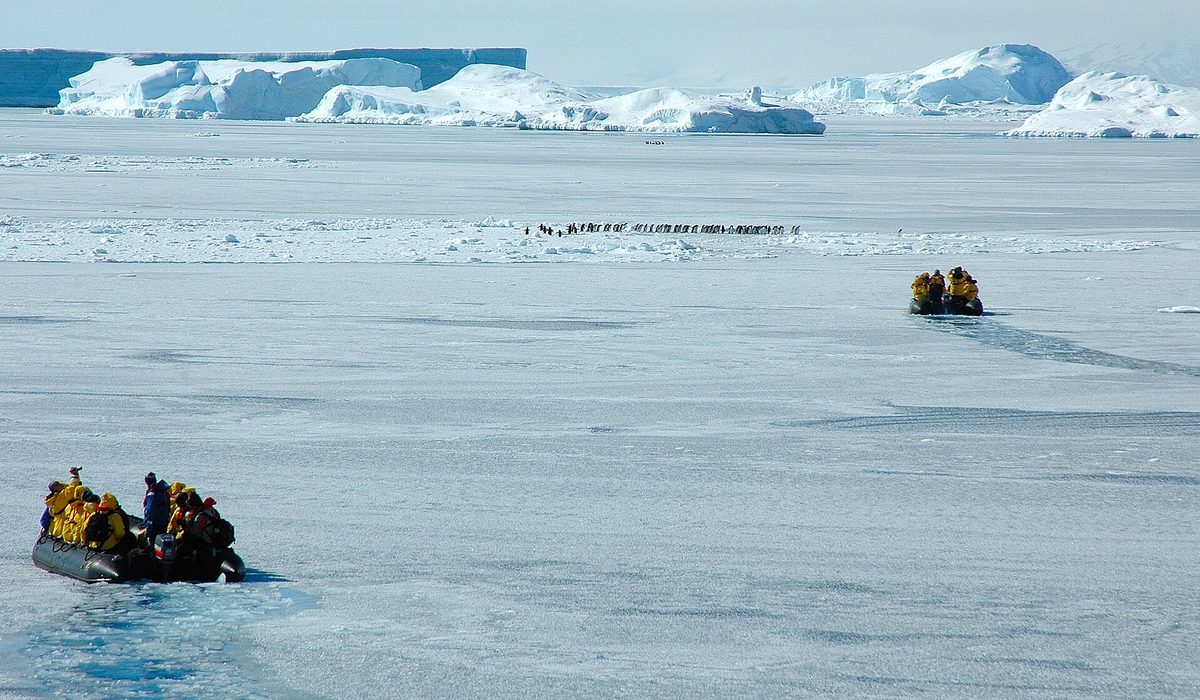
If one piece of equipment defines expedition cruising, it’s the Zodiac — the sturdy inflatable boat that gets you from ship to shore and into places no large vessel could ever reach. Each Zodiac carries around eight to ten passengers plus a driver (usually one of your expedition guides), and they’re the reason a small ship can explore so intimately. Their shallow draft and nimble handling let them nose into narrow inlets, weave between icebergs, and land on beaches with no dock in sight.
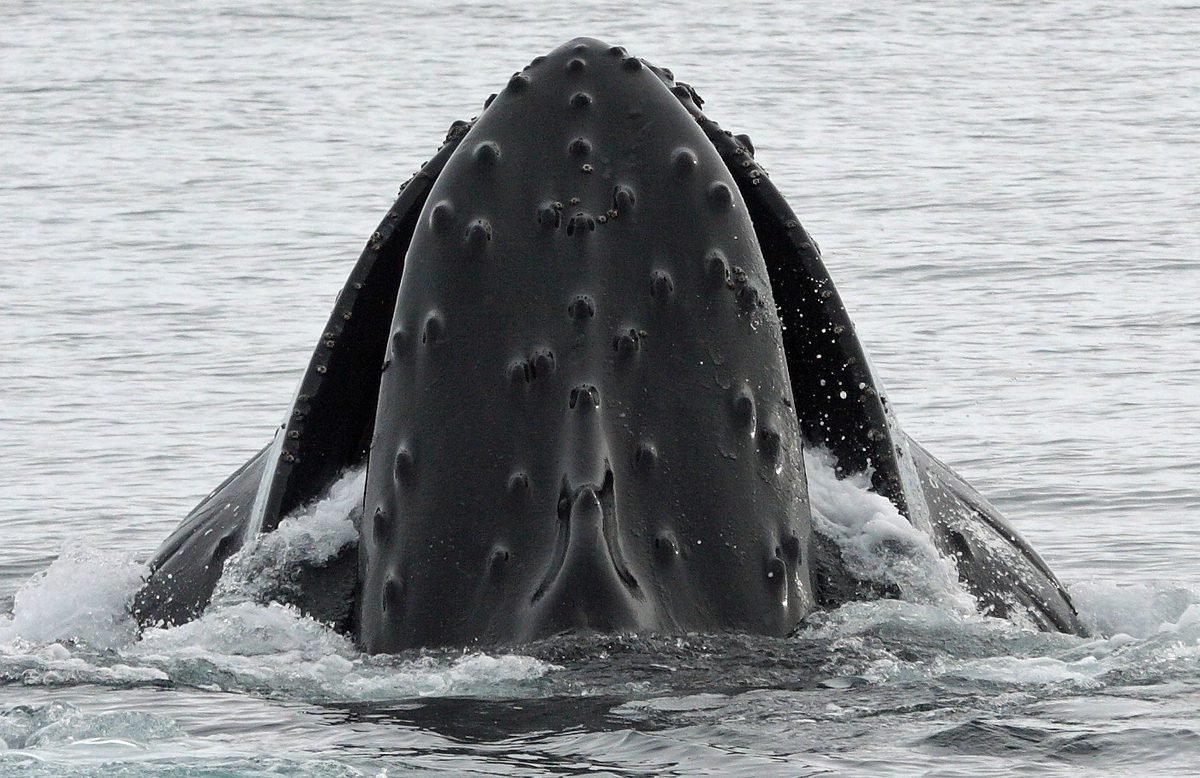
Zodiacs serve two purposes. They ferry you to shore for landings, and they also run “Zodiac cruises” — outings where you stay in the boat and explore at sea level, drifting among brash ice, gliding past lounging seals, and idling while a curious humpback surfaces nearby. Down at water level, close enough to hear the ice crackle, you get a perspective the ship’s deck can never offer. Learning to step in and out of a moving Zodiac is part of the rhythm of the trip, and the crew makes it easy and safe.
A typical day on an expedition cruise
There’s no fixed timetable — the ice and weather decide — but a day on the Antarctic Peninsula follows a satisfying rhythm. You’re woken over the PA by the expedition leader, often with a sighting to lure you out of bed: orcas off the bow, or an iceberg the size of a cathedral drifting past the breakfast windows. After breakfast comes the morning excursion: a landing among a penguin colony or a Zodiac cruise through the ice.
Back aboard for lunch, the ship repositions to a new site while you watch the scenery from the deck. The afternoon brings a second excursion, and as evening falls everyone gathers for the daily “recap and briefing” — the team explains what you saw and what tomorrow might hold — followed by dinner and, for the keen, one last turn on deck under a sky that never fully darkens in midsummer. It’s busy without being rushed, and by day three you’ll have happily forgotten what your phone is for. Our things to do in Antarctica guide covers each excursion type in depth.
Landings and shore excursions
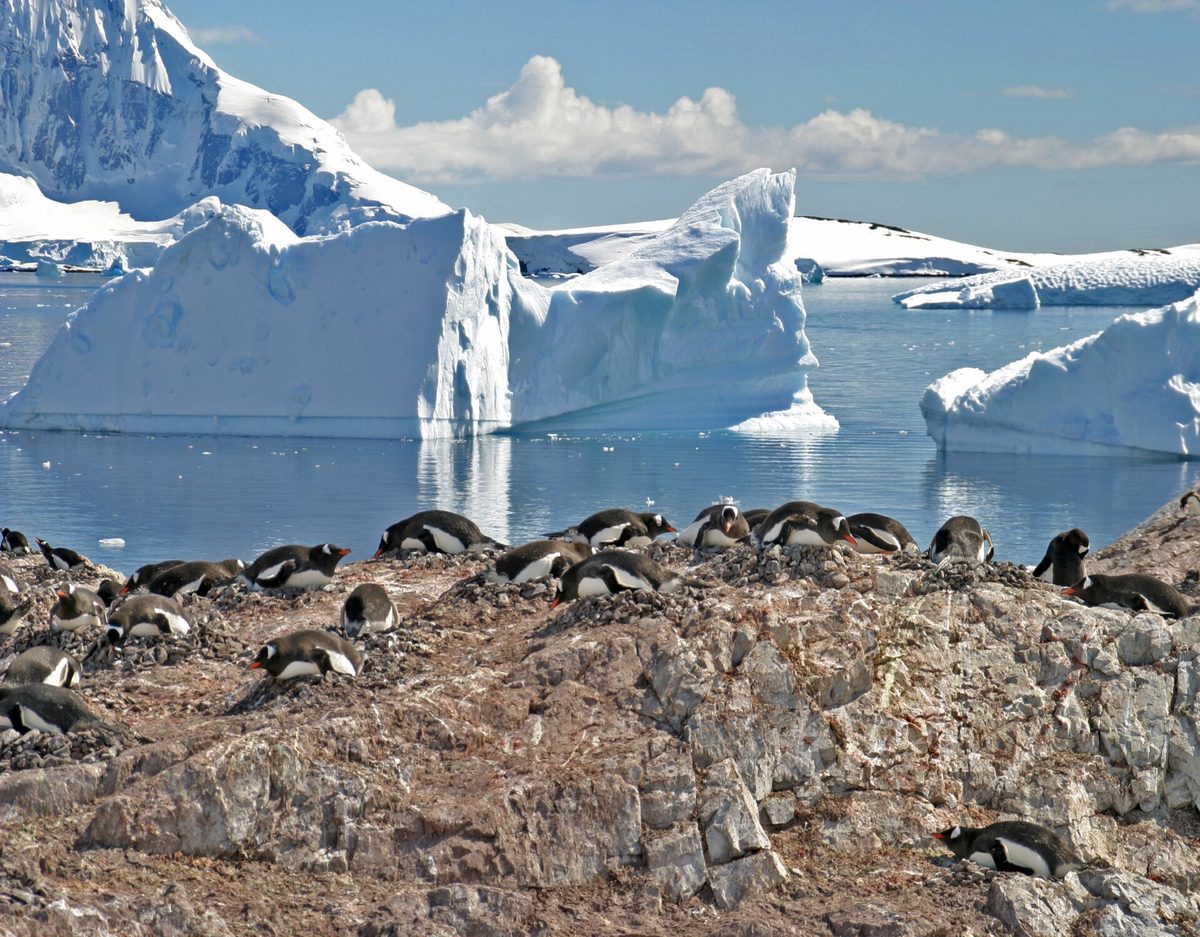
The landings are the soul of the trip. Most days you’ll make one or two, each lasting two to three hours, stepping ashore by Zodiac onto beaches, islands, and stretches of the continent itself. You might walk (at a respectful distance) among thousands of nesting penguins, visit a historic whaling ruin or explorer’s hut, stand beneath a calving glacier, or climb a snowy ridge for a panoramic view. Strict IAATO rules govern every landing — no more than 100 people ashore at once, fixed distances from wildlife, and thorough biosecurity to keep the continent pristine.
Because landings depend entirely on conditions, flexibility is the watchword. A planned site might be swapped for a better one, or a blocked landing might become a spectacular Zodiac cruise instead. Travelers who embrace that uncertainty have the best time; those who cling to a fixed plan set themselves up for frustration. The continent, not the schedule, is in charge — and that’s exactly as it should be.
The expedition team and the lectures
The single biggest difference between a good and a great expedition cruise is the team. These are working naturalists, marine biologists, ornithologists, glaciologists, historians, and photographers who lead your landings, drive your Zodiacs, and teach you to understand what you’re seeing. The best ships field roughly one expedition staffer for every eight to twelve guests, which means small, personal groups ashore and plenty of expertise to tap.
On sea days and between excursions, the lecture theatre comes alive with talks — the biology of krill, the history of Shackleton’s escape, how to photograph ice, the politics of the Antarctic Treaty. By the time you reach the ice you can tell a gentoo from a chinstrap and a growler from a bergy bit, and the whole experience deepens because you understand it. This educational core is what elevates an expedition cruise from sightseeing to genuine exploration, a theme we return to in our wildlife guide.
Optional activities beyond the landings
Every expedition includes Zodiac cruises and shore landings, but most operators also offer optional add-on adventures for those who want to get even closer. Sea kayaking lets you paddle silently among the ice; camping puts you under the polar sky for a night; and depending on the ship you may find snowshoeing, stand-up paddleboarding, ski-mountaineering, or even polar snorkeling and scuba diving. Nearly everyone, regardless of itinerary, can take the bracing “polar plunge” into the freezing sea.
These activities cost extra, have limited spots, and depend on weather and experience, so book them when you book your cabin. Operators like Aurora and Quark are known for the deepest activity menus. But don’t feel you must add anything — the standard included experience already exceeds most people’s wildest expectations, as our activities guide makes clear.
The wildlife you’ll encounter
Wildlife is the headline act, and an expedition cruise puts you remarkably close to it. On the Peninsula you’ll meet gentoo, chinstrap, and Adélie penguins by the thousand; crabeater, Weddell, and leopard seals hauled out on the ice; and humpback, minke, and orca whales feeding in the rich summer waters. Overhead wheel albatrosses, petrels, and skuas. Because these animals evolved without land predators, they’re often startlingly unafraid — a penguin may waddle right up to inspect your boots.
That fearlessness, combined with the small-group intimacy of expedition travel, produces encounters of a kind you simply can’t have on a big ship. Longer expeditions that add South Georgia raise the spectacle to another level entirely, with king penguin colonies hundreds of thousands strong. Our Antarctica wildlife guide details every species you might meet and when.
What’s included — and what isn’t
Expedition cruises are largely all-inclusive once you’re aboard. The fare typically covers your cabin, all meals, the full program of landings and Zodiac cruises, the expedition team and lectures, and often the loan of a polar parka and muck boots. What’s usually not included: flights to the gateway city, pre- and post-cruise hotels, travel insurance (mandatory), gratuities, premium drinks, Wi-Fi, and the optional paid activities like kayaking. Always read the inclusions list closely, since it varies by operator. Our dedicated guide to what’s included on an Antarctica cruise breaks it down line by line.
Who is an expedition cruise for — and what does it cost?
Expedition cruising suits the curious far more than the pampered. If you want wildlife, wilderness, learning, and genuine adventure — and you’re happy to trade casinos and water slides for naturalists and Zodiacs — it’s perfect. You don’t need to be an athlete; reasonable mobility and a sense of flexibility are enough. It suits solo travelers, couples, families with older children, and active retirees alike.
Costs span a wide range: roughly $6,000–$10,000 for budget voyages, $10,000–$20,000 for the mid-range where most travelers land, and $20,000–$35,000+ for luxury expedition ships. Add around $3,000–$6,000 for flights, hotels, insurance, gear, and tips. Our trip cost guide details every expense, and the is it worth it? guide tackles the value question head-on.
How to choose your expedition cruise
With the style understood, choosing the right voyage comes down to ship size (smaller for wildlife and landings), budget tier, itinerary length, timing, and operator quality — always an IAATO member with a strong expedition team. First-timers should default to a mid-size ship on the classic Peninsula route in midsummer. Our full how to choose an Antarctica cruise guide walks through every decision, and the best Antarctica cruises guide names standouts by category.
Getting there: the Drake Passage and fly-cruises
Reaching your expedition ship is part of the adventure. Most voyages depart Ushuaia in Argentina and cross the Drake Passage — about two days of open ocean each way that can be glassy calm or famously rough. Many travelers consider the crossing a rite of passage, and it’s prime time for albatrosses and whales as the expedition team eases you into ship life with the first lectures and briefings.
If the Drake worries you, a growing number of expedition cruises offer a fly-cruise option: you fly roughly two hours from Punta Arenas to King George Island and board your ship there, skipping the open-ocean crossing for a premium. It saves time and seasickness at the cost of around 20% more. Our Drake Passage guide and flights to Antarctica guide weigh both routes so you can pick what suits you.
Where the expedition style came from
The expedition cruise wasn’t invented for Antarctica by accident. Its roots lie in the scientific and exploratory voyages of the twentieth century, and the modern tourist version was pioneered by operators who realised that small, ice-capable ships with Zodiacs and expert guides could bring ordinary travelers safely into genuinely wild places. Lindblad ran some of the earliest citizen voyages to Antarctica decades ago, and the format has been refined ever since into the polished, tightly self-regulated industry of today.
That heritage matters because it explains the culture: expedition cruising prizes curiosity, flexibility, and respect for the environment over luxury and predictability. The IAATO framework that governs every reputable voyage grew directly out of this ethos, balancing access with protection. When you step aboard, you’re joining a tradition of exploration — a point our facts and history guide places in its full context.
Frequently asked questions
What is an Antarctica expedition cruise?
It’s a voyage on a small, ice-capable ship (typically 50–200 passengers) built for exploration rather than onboard entertainment. The days revolve around going ashore by Zodiac and cruising among the ice and wildlife, guided by a team of naturalists, with the itinerary flexing daily around weather and conditions.
How is it different from a normal cruise?
A regular cruise is a floating resort focused on onboard amenities for thousands of passengers. An expedition cruise carries far fewer people and focuses on off-ship wilderness — Zodiac landings, wildlife, and learning — with naturalists instead of entertainers and a flexible, weather-led schedule.
What is a Zodiac?
A sturdy inflatable boat carrying about 8–10 passengers plus a driver. Zodiacs ferry you from ship to shore and run water-level cruises among ice and wildlife, reaching places large ships can’t. They’re the workhorse of every Antarctic expedition.
Do I need to be very fit?
No — you need reasonable mobility rather than athleticism: the ability to board the ship unassisted, step into a moving Zodiac with help, and walk over uneven ground. Most exertion ashore is optional, and you can sit out any landing.
How many landings will I get?
Usually one or two per day on the Peninsula, each lasting two to three hours, weather and ice permitting. Smaller ships generally deliver more time ashore because all guests can land at once under the 100-person IAATO rule.
Are expedition cruises worth the higher cost?
For travelers who want genuine wilderness and wildlife rather than onboard luxury, overwhelmingly yes — it’s the only way to actually set foot in Antarctica and get close to its animals. Our is it worth it? guide explores the value in depth.
Can families and children go on expedition cruises?
Yes, with age caveats that vary by operator — some welcome children from six or eight, many set the bar at twelve. Choose a family-friendly operator and a calmer midsummer itinerary. Our guide for every traveler covers family trips.
What should I pack for an expedition cruise?
Layers are everything: thermal base layers, insulating mid-layers, and a waterproof outer shell, plus the muck boots and parka many operators lend you. Our packing guide has the full list.
Is there Wi-Fi and phone signal on board?
Increasingly there’s limited (often paid) satellite Wi-Fi, but it’s slow and intermittent, and there’s essentially no phone signal once you leave the gateway. Most travelers come to love the disconnection. See our travel tips guide.
How long is an Antarctica expedition cruise?
The classic Antarctic Peninsula expedition runs about 10 to 12 days door to door, including the Drake crossings. Fly-cruises compress it to around 8 days by flying over the Drake, while longer expeditions to the Antarctic Circle, Weddell Sea, or South Georgia run 12 to 23 days. Our itineraries guide compares every length.
What ice class do expedition ships have?
Most carry a Polar Class or ice-strengthened rating that lets them safely work loose pack ice and growlers, though tourist ships are not full icebreakers. Higher ice classes allow access to more ambitious, ice-choked routes like the Weddell and Ross Seas. The ships and operators guide explains the ratings.
Will I get seasick on an expedition cruise?
You might during the Drake crossing, which can be rough, but modern stabilisers help and effective remedies are available — take them before the swell builds. Once among the sheltered channels of the Peninsula, the water is usually calm. A fly-cruise avoids the worst of it. See our Drake Passage guide.
Final thoughts
An Antarctica expedition cruise isn’t a holiday in the lie-by-the-pool sense — it’s an adventure, a moving base camp from which you step daily into the most extraordinary wilderness on Earth. Trade the casino for a Zodiac and the entertainers for naturalists, embrace a schedule written in pencil, and you’ll understand why this style of travel turns ordinary tourists into lifelong polar devotees. The small ship, the inflatable boats, the team of experts, the flexible days: every feature exists for one reason — to get you as close as humanly possible to the ice, the wildlife, and the silence. When you’re ready to pick your voyage, our best Antarctica cruises and main cruises guides take it from here.