Let me be honest from the first sentence: there is no truly cheap way to reach Antarctica. But there is an enormous difference between the most expensive voyages and the most affordable ones, and finding the cheapest antarctica cruise ship that still delivers a genuine landing expedition can save you many thousands of dollars without robbing you of a single penguin. I have spent years helping budget-minded travellers get to the white continent for far less than they feared possible, and the secret is knowing which ships, which seasons and which booking tricks bring the price down.
This guide is for the traveller who has dreamed of Antarctica but blanched at the headline fares. I will show you which ships offer the best value, exactly what you give up at the budget end (less than you think), what you must never skimp on, and how to hunt down the lowest fares — including the legendary last-minute deals from Ushuaia. It sits within our full guide to Antarctica expedition ships and operators and complements my breakdown of what an Antarctica trip really costs.
What “cheap” really means in Antarctica
Perspective matters here. The average Antarctica cruise costs around 10,000 US dollars per person, and the luxury and icebreaker voyages climb past 35,000. Against that backdrop, a “cheap” Antarctica cruise is one that starts somewhere between roughly 5,000 and 9,000 dollars — still a serious sum, but a fraction of the top end. The very lowest last-minute fares have dipped under 5,000 dollars for a basic cabin, while solid budget voyages typically begin around 7,000 to 8,500.
So when I talk about the cheapest ships, I mean the best value, not the bargain bin. These are real expeditions on credible, IAATO-member ships that land you ashore among the wildlife — just without the balconies, gourmet menus and brand-new hulls of the premium fleet. The continent does not charge admission, and the penguins treat budget and luxury travellers exactly alike. For the bigger picture on operators, see my guide to choosing an Antarctica cruise operator.
Why budget ships cost less
Understanding why some ships are cheaper helps you choose wisely. The most affordable vessels tend to be older — often converted research or ice-strengthened ships rather than gleaming purpose-built expedition liners — and smaller, with simpler cabins, fewer public spaces and more basic dining. Many offer triple and quad cabins, or cabins with shared bathrooms on the lowest decks, which slash the per-person price dramatically. They carry no spas, no balconies and no sommeliers, and that is precisely how they keep the fare down.
None of this touches the thing you actually came for. A budget ship still carries a fleet of Zodiacs, a qualified expedition team and the same access to the same landing sites as a ship costing three times as much. You sleep more simply and dine more plainly, but you stand on the same beaches surrounded by the same penguins. That trade — comfort for cost, with the core experience intact — is the whole logic of budget Antarctic travel. The newer, pricier ships I cover in my best expedition ships guide for contrast.
What you give up — and what you absolutely don’t
Let me be precise about the trade, because first-timers often imagine they are sacrificing the experience itself. What you give up on a budget ship is comfort and polish: a smaller, plainer cabin, possibly a shared bathroom, simpler food, fewer lounges, an older vessel that may roll more in the Drake, and a no-frills atmosphere. For some travellers, over ten days at sea, those things matter; for others, they are barely noticed once the icebergs appear.
What you do not give up is anything that makes Antarctica Antarctica. The same Zodiac landings, the same penguin colonies, the same calving glaciers and breaching whales, the same expert guides, the same hours ashore on the seventh continent. The wildlife is utterly indifferent to your cabin grade. I have watched budget travellers weep at their first penguin colony exactly as luxury guests do — because the magic was never in the ship. To know what awaits ashore, read my guide to Antarctica wildlife.
The most affordable Antarctica ships
Here are the vessels I most often steer budget travellers toward. All are credible, IAATO-member expedition ships that land guests ashore; they simply keep the frills modest to keep the fares low.
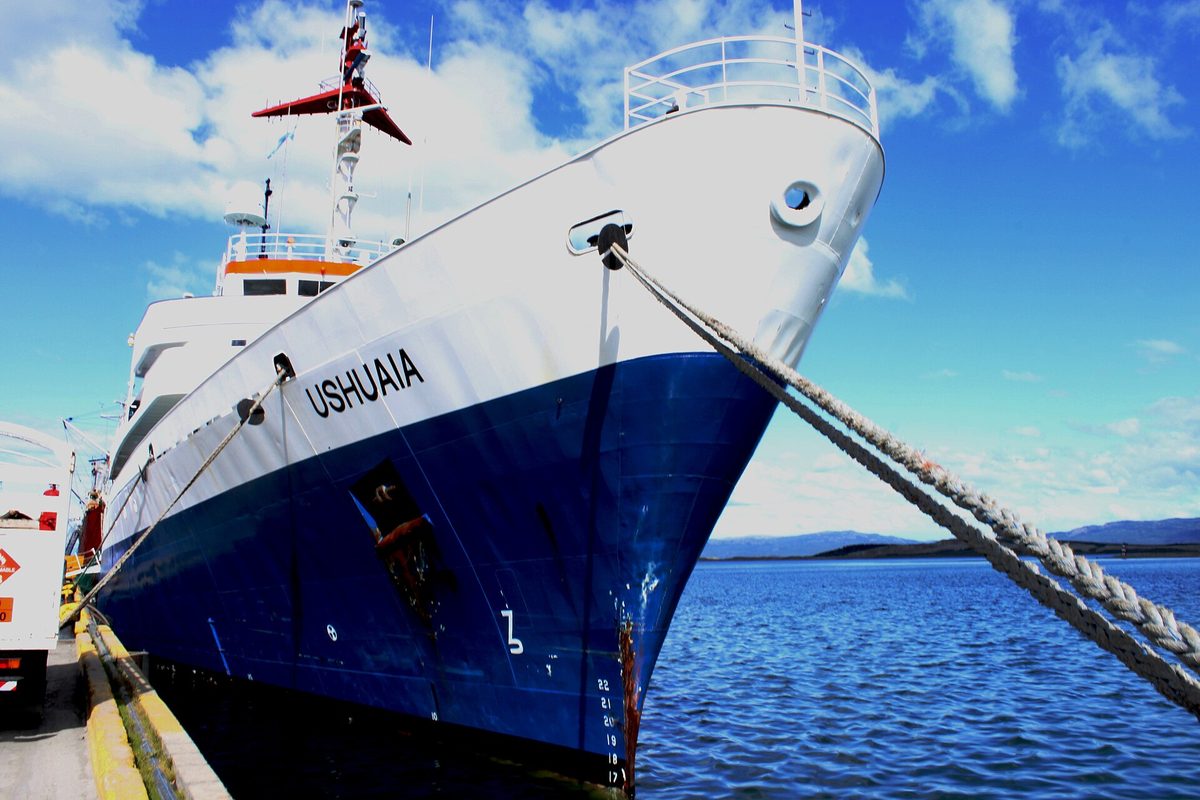
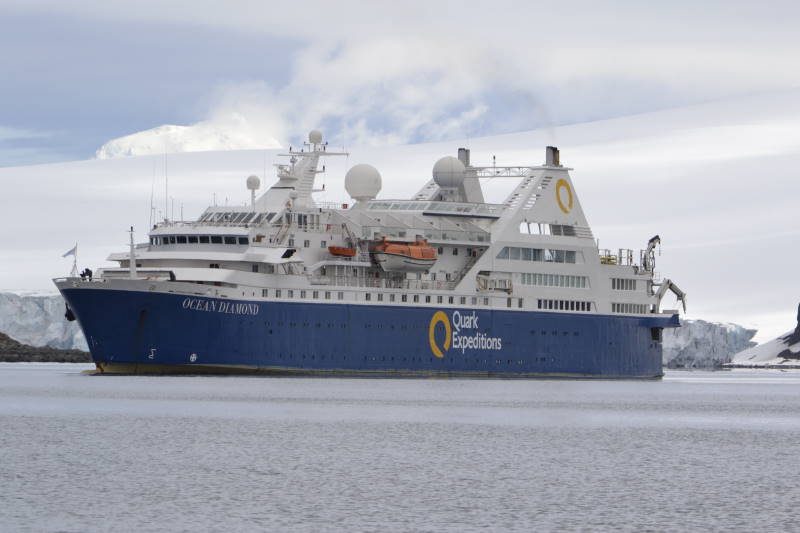
The classic veterans of Oceanwide Expeditions — Plancius, Ortelius and the newer Hondius — are beloved for flexible, wildlife-led itineraries and honest pricing, carrying around 100 to 170 guests. The long-serving MV Ushuaia is one of the most affordable ways to reach the Peninsula, a smaller ship with a loyal following and rock-bottom fares. MV Ocean Nova offers good value in the 8,500 to 12,500 dollar range, especially on late-season departures, while ships like the MV St Helena have offered budget 2026/27 voyages from under 8,000 dollars with kayaking, snowshoeing and camping included.
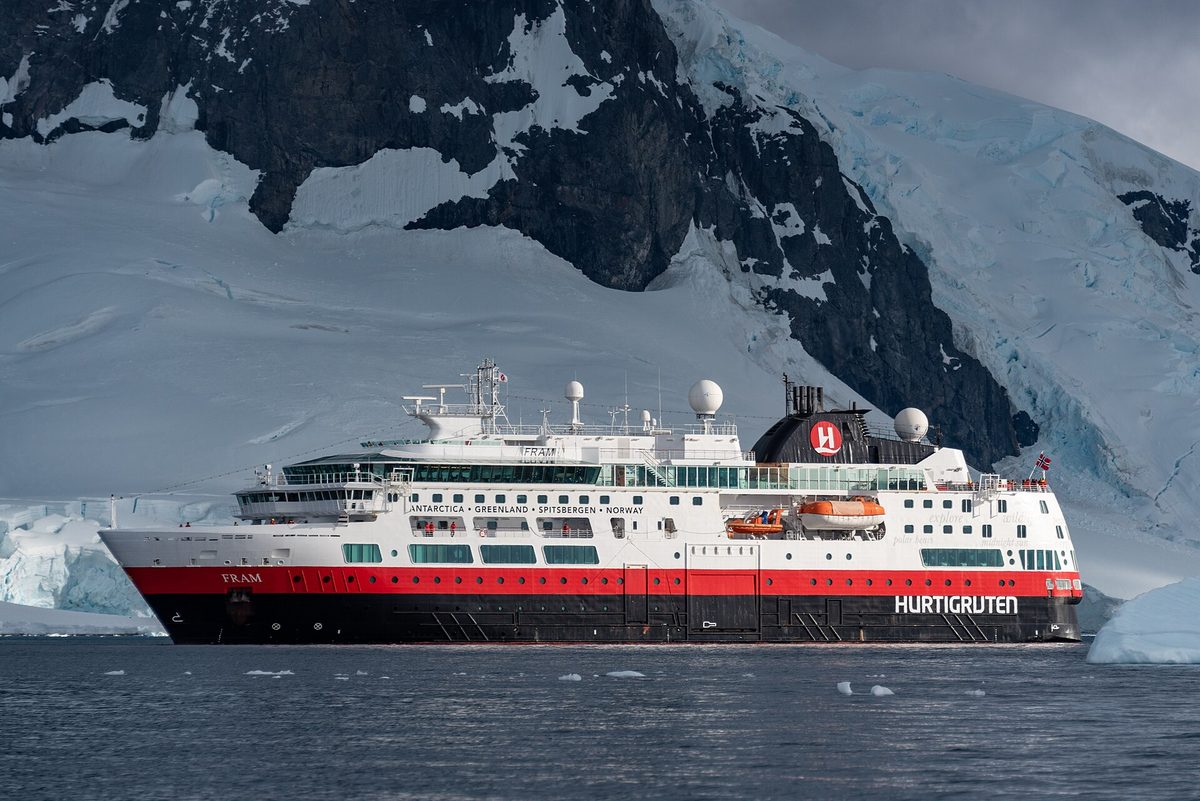
At the larger end of the value spectrum, HX (formerly Hurtigruten) and its veteran MS Fram deliver well-run, competitively priced expeditions, and G Adventures runs its long-popular Expedition on a budget-friendly model. None of these will pamper you, but every one will put your boots on the ice. I profile several in my survey of the best Antarctica cruise lines.
Budget ships compared at a glance
| Ship | Operator | Guests | From (per person) |
|---|---|---|---|
| MV Ushuaia | Antarpply | ~88 | ~$6,500 |
| MV Plancius | Oceanwide | ~108 | ~$8,000 |
| MV Ortelius | Oceanwide | ~108 | ~$8,000 |
| MV Ocean Nova | Various charters | ~73 | ~$8,500 |
| G Expedition | G Adventures | ~134 | ~$8,000 |
| MS Fram | HX | ~200 | ~$8,500 |
Prices are indicative starting fares for a basic cabin and move constantly with season and promotions. Treat them as a guide, not a quote, and always confirm what is included. For more on cabin grades and how the cheapest cabins are configured, see my guide to Antarctica cruise ship cabins.
How to find the cheapest Antarctica cruise ship
The ship matters, but how and when you book matters just as much. The single biggest lever is the season: fares are lowest in the shoulder months of November and March, at the very start and end of the Antarctic summer. Early-November voyages reward you with pristine snow, dramatic ice and courting penguins; late-March trips offer whales in abundance and golden light. Both cost meaningfully less than the December–January peak, and the wildlife is still spectacular. My guide to the best time to visit Antarctica explains exactly what each month delivers.
Beyond timing, the cabin you choose transforms the price. Opt for the lowest cabin category, accept a porthole over a window, and consider a triple or quad share, which can cut the per-person fare substantially. Solo travellers should look for ships offering a cabin-share programme, which pairs you with a same-sex roommate and waives the punishing single supplement. These choices feel like small compromises but add up to enormous savings over a ten-day voyage.
The last-minute gamble from Ushuaia
The boldest way to save is the legendary last-minute deal. Operators hate to sail with empty cabins, so in the days and weeks before departure they sometimes slash fares on unsold berths — occasionally to half price or less. Travellers who fly to Ushuaia, the southernmost city and the main gateway, with a flexible schedule and an open mind can sometimes walk into a local agency and snare a berth on a ship leaving within days for a fraction of the brochure price.
It is a genuine gamble. You might wait a week or two, you might not get your first-choice ship or cabin, and in a busy season you might find nothing at all. But for flexible, adventurous, budget-driven travellers, it remains one of the great deals in travel. If you try it, book refundable accommodation in Ushuaia, give yourself a generous window, and have a backup plan. To make the most of the wait, see my guide to things to do in Ushuaia.
The hidden costs you must budget for
The cruise fare is never the whole cost, and budget travellers come unstuck when they forget the extras. You will need international flights to Buenos Aires and onward to Ushuaia, which can be substantial; at least a night or two of pre-cruise hotel; comprehensive travel insurance with emergency evacuation cover, which is non-negotiable for a region this remote; and a budget for gratuities, drinks, and any paid activities like kayaking. Some operators include parka and boot hire; others charge for it.
Add these up and a “7,000-dollar” cruise can easily become a 9,000 or 10,000 dollar trip once everything is counted. That is not a reason to despair — it is a reason to plan, so the true total does not ambush you. Build a realistic budget before you book, and the cheapest cruise stays genuinely cheap. My full Antarctica trip cost guide itemises every line so nothing surprises you.
Why Antarctica is never truly cheap
It helps to understand why even the most affordable Antarctic voyage costs as much as a small car. There are no ports, no fuel docks and no infrastructure on the continent, so ships must carry everything they need for the round trip. The vessels are specially ice-strengthened and certified, the expedition teams are highly trained specialists, the insurance and safety requirements are enormous, and the operating window is a short summer. Every voyage also pays for strict environmental compliance and the long, fuel-hungry crossing of one of the world’s roughest seas.
Once you grasp that, the budget fares look less like a rip-off and more like a genuine bargain for what they deliver. No one is getting rich selling you a 7,000-dollar berth on an older ship; they are barely covering the extraordinary cost of operating at the bottom of the world. That is why the savings come from simplicity — older ships, plainer cabins, shoulder seasons — rather than from cutting the things that make the expedition possible. Knowing this helps you spot a fair deal from a false economy.
What you must never skimp on
Saving money is the whole point of this guide, but a few things are false economies that I urge every traveller to protect. Never sail with a non-IAATO operator to save a few dollars; the membership is your guarantee of safety and environmental responsibility in a place with no margin for error. Never skip comprehensive travel insurance with high-limit medical evacuation cover; a rescue from Antarctica can cost more than the entire trip. And never choose a ship so large it cannot land you ashore just because the fare looks tempting.
These are the corners that are not worth cutting. Everything else — the cabin, the food, the age of the ship — is fair game for savings, but your safety and your actual access to the continent are not. A cheap voyage that strands you on a non-landing ship or leaves you uninsured is no bargain at all. I explain why membership matters so much in my guide to IAATO and operator membership.
Is a budget Antarctica cruise worth it?
Without hesitation, yes. I have sailed alongside travellers on tight budgets and watched them have precisely the same life-changing experience as guests who paid three times more. The continent does not grade you by your cabin. If your dream is to stand among the penguins, to feel the silence of the ice and to cross the fabled Drake, a budget ship delivers all of it in full. The luxuries you forgo are pleasant, but they are not the point.
The only travellers I steer away from the budget end are those for whom onboard comfort genuinely shapes the holiday — people who would be miserable in a plain cabin or a rolling older ship. If that is you, spend more. But if you can embrace a simpler voyage for the sake of the experience, the affordable ships are a magnificent gateway to the greatest journey on Earth. Pair this with my complete guide to Antarctica cruises.
Where the budget ships sail
Most affordable voyages focus on the classic Antarctic Peninsula, a ten-to-twelve-day round trip from Ushuaia that packs in the headline wildlife and scenery for the lowest cost. This is the route I recommend to almost every budget traveller, because it delivers the full Antarctic experience — penguins, seals, whales, icebergs and a Drake Passage crossing — at the most accessible price. The longer, pricier voyages that add the Falklands and South Georgia are magnificent but cost considerably more, so the Peninsula is where value lives.
Within the Peninsula season, shorter eight-to-nine-day itineraries cost less than the longer eleven-to-twelve-day ones, simply because they spend fewer nights aboard. If your budget is tight, a shorter classic Peninsula voyage on an affordable ship is the smartest way to set foot on the continent without overspending. You can always return one day for the epic long voyages. My guide to Antarctica cruise itineraries compares the options in detail.
Solo travellers: beating the single supplement
Solo travellers face a particular budget hurdle: the single supplement, which can add 50 to 100 percent to a fare if you occupy a cabin alone. The way around it is the cabin-share programme that many budget operators offer, pairing you with a same-sex roommate of similar age and waiving the supplement entirely. It is a small leap of faith that saves a fortune, and plenty of lasting friendships have been forged in a shared Antarctic cabin.
If sharing is not for you, look for the rare ships with dedicated single cabins priced without a heavy supplement, and book early because they sell out fast. Either way, do not assume solo travel means paying double; ask every operator about their solo options before you write off a voyage as unaffordable. The savings can be the difference between going and staying home.
Booking tips to lock in the lowest fare
A few final tactics. Book early for the best choice of cheap cabins on popular budget ships, or book very late for the deepest last-minute discounts — the expensive mistake is booking at full price in between. Watch for operator promotions and repositioning voyages, sign up for budget-cruise alerts from specialist agencies, and be flexible on dates, ships and cabins, because flexibility is the budget traveller’s greatest asset. A good specialist agent often knows about value fares you will never find alone.
Above all, decide what you can compromise on (cabin, season, ship age) and what you cannot (safety, landing access, insurance), then hunt accordingly. With patience and a clear head, Antarctica is far more attainable than its reputation suggests. My guide to choosing an operator will help you separate the genuine value from the false economies.
Frequently asked questions
What is the cheapest Antarctica cruise ship?
The long-serving MV Ushuaia is consistently among the cheapest ships reaching the Antarctic Peninsula, with basic-cabin fares often starting around 6,500 US dollars. Oceanwide’s Plancius and Ortelius, G Adventures’ Expedition and various Ocean Nova charters also offer excellent value, especially in the shoulder season or on last-minute deals.
How cheap can an Antarctica cruise get?
Solid budget voyages start around 7,000 to 8,500 US dollars per person, while the very lowest last-minute fares from Ushuaia have dipped under 5,000 for a basic cabin. Remember that flights, insurance, hotels and extras add several thousand more, so budget for the true total rather than the headline fare.
Are cheap Antarctica cruises safe and legitimate?
Yes, provided the operator is a full IAATO member. The most affordable ships are credible expedition vessels that land guests ashore with qualified teams; they simply offer simpler cabins and fewer frills. Never book a non-IAATO operator to save money, and always carry comprehensive travel insurance with evacuation cover.
When are Antarctica cruises cheapest?
Fares are lowest in the shoulder months of early November and March, at the start and end of the Antarctic summer, and on last-minute unsold cabins close to departure. The December–January peak commands the highest prices. Travelling in the shoulder season can save thousands while still offering spectacular wildlife.
Can I still get last-minute Antarctica deals in Ushuaia?
Sometimes, yes. Operators discount unsold berths in the days before departure, and flexible travellers in Ushuaia can occasionally find steep deals. But it is a gamble — you may wait, you may not get your preferred ship, and in a busy season you may find nothing. Allow a generous window and a backup plan.
What do I give up on a budget Antarctica ship?
You give up comfort and polish: a smaller, plainer cabin, possibly a shared bathroom, simpler food, fewer public spaces and an older vessel. You do not give up the core experience — the same Zodiac landings, penguin colonies, glaciers, whales and expert guides as on far pricier ships. The wildlife is identical from every deck.
Is it cheaper to book an Antarctica cruise from Ushuaia?
It can be, for the last-minute gamble: being physically in Ushuaia with a flexible schedule lets you snap up discounted unsold berths close to departure. But for advance bookings, prices are generally the same whether you book from home or in Argentina. The Ushuaia advantage is purely for spontaneous, flexible, last-minute travellers.
Do budget Antarctica cruises include activities like kayaking?
It varies. Some value ships, such as certain MV St Helena voyages, include activities like day kayaking, snowshoeing and camping in the fare, while others charge separately for them. Always check what is bundled in, because an apparently pricier ship that includes activities can work out cheaper than a bare-bones fare with costly add-ons.
Final thoughts
Finding the cheapest antarctica cruise ship is not about settling for less; it is about spending on what matters and saving on what does not. Choose a credible budget ship, travel in the shoulder season, pick a modest cabin, and consider the last-minute gamble, and you can reach the seventh continent for thousands less than the brochures suggest. Protect your safety, your insurance and your access to the ice, and let the rest be fair game for savings.
I have seen too many people assume Antarctica is forever out of reach, when in truth a little flexibility and planning brings it within grasp. The penguins do not care what you paid, and neither will you once you are standing among them. Hunt smart, book brave, and go — the most affordable voyage south is still the journey of a lifetime.
Related reading
- Antarctica expedition ships and cruise operators
- How much does it cost to go to Antarctica?
- Best Antarctica cruise lines compared
- Best small expedition ships for Antarctica
- How to choose an Antarctica cruise operator
- Antarctica cruise ship cabins guide
- The best time to visit Antarctica
- Things to do in Ushuaia
- Antarctica cruises: the complete guide